
BRANDI BERRY
Being You Is Your Superpower

STUDENT FOCUSED. STUDENT-CENTERED.
STUDENT-DRIVEN.
 |  |  |  |  |
|---|---|---|---|---|
 |  |  |  |  |
 |  |  |  |  |
 |
ABOUT PROFESSOR BERRY
INSPIRING THE BEST VERSION OF YOU
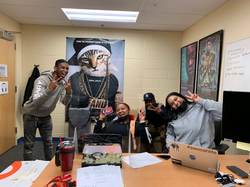
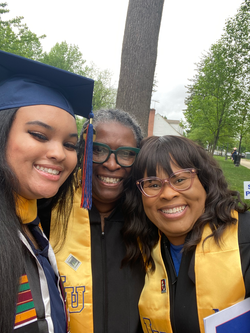
The college classroom should be an environment where students are encouraged to explore their creativity, values, intellect, and even their setbacks without fear of failure. Higher education provides a unique opportunity for students to discover their strengths, refine their voice, and develop confidence in who they are becoming.
While academic excellence is important, I believe accomplished graduates are also defined by resilience, adaptability, critical thinking, and self-awareness. Drawing from interdisciplinary approaches that include motivation theory, media literacy, storytelling, and game-based learning strategies, I strive to help students think critically, communicate effectively, and build meaningful plans for their future.
For me, education is not only about developing skilled professionals; it is also about investing in the well-being, growth, and long-term success of each student.

AI Responsibility Statement
Artificial intelligence is rapidly reshaping the way we create, communicate, research, and learn. Rather than viewing AI as something to fear or blindly embrace, I believe higher education has a responsibility to teach students how to engage with these tools critically, ethically, and creatively.
AI should support human thought, not replace it. In my classroom and professional practice, I encourage students to use AI as a tool for brainstorming, organization, research support, accessibility, and skill development while still valuing originality, critical thinking, lived experience, and authentic human storytelling.
Responsible AI integration requires transparency, accountability, and discernment. Students should understand both the opportunities and limitations of these technologies, including concerns related to misinformation, bias, privacy, authorship, labor, and academic integrity. Learning how to question AI outputs is just as important as learning how to generate them.
As an educator and media professional, I believe our responsibility is not simply to prepare students for the technologies of today, but to help them become thoughtful leaders who can shape the ethical use of technology in the future.
Technology will continue to evolve. Human creativity, empathy, curiosity, and judgment must evolve with it.
This statement was composed with the assistance of AI and edited by Brandi Berry.